
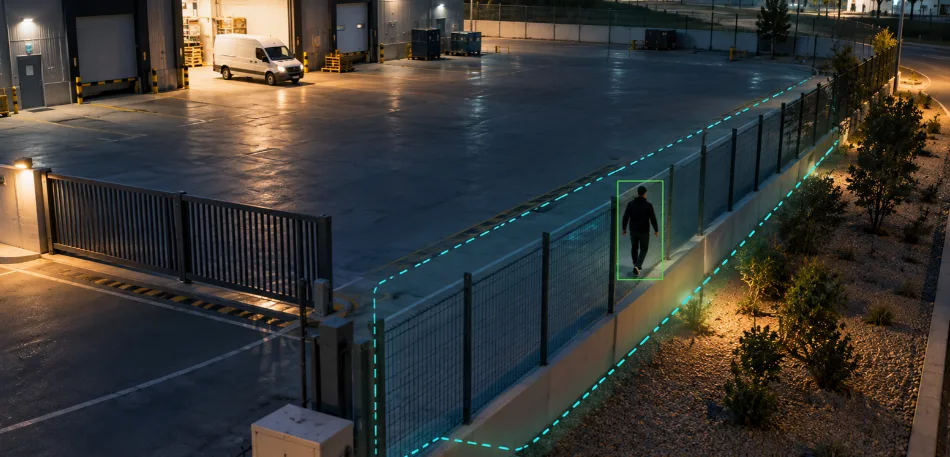
A guard gets a phone alert at 2 a.m., checks the feed, and finds a shadow. Four nights of that, and the fifth alert goes unread. That habit is the hidden cost of weak commercial security solutions, and AI video analytics exists to break it. Instead of firing on every movement, the software asks what moved, where, and whether it matters at that hour. Below is how that filtering works, where it helps, and where people still need to make the call.
Why Do Basic Motion Alerts Keep Crying Wolf?
A plain motion trigger reacts to any change in the frame. It cannot tell a delivery van from someone climbing a fence, so both produce the same ping. Spread that across a large compound, and the alert queue fills with noise. Staff start skimming, and skimming is how a genuine event slips past.
AI video analytics, in plain terms, is software that labels what a camera sees and raises an alert only when the label matches a rule. Current systems can flag vehicles, people, and missing hard hats automatically, with results from every site landing in one dashboard.
What the Software Looks For
Three things drive useful alerts: object type, location, and time. Restricted-zone monitoring notifies someone the moment a person enters an area they should not, judged by both place and hour. A figure in a lit corridor at noon is routine. The same figure in a fenced yard at midnight is not. Unattended object tracking adds another rule by spotting bags or equipment left where they do not belong, and facial detection can flag unrecognized faces or unusual movement as it happens.
Rules That Make Commercial Security Solutions Quieter
Rules are where false alarms actually drop. A zone that alerts only after dark, and only for people, ignores the daytime vehicle traffic that would have set off a basic sensor. Each added condition removes a category of pointless alert. Begin with one zone and one time window, watch the results, then widen. Rules set too tightly can miss real events, so tuning is ongoing work rather than a one-time setup.
Vehicles, Gates, and Number Plates
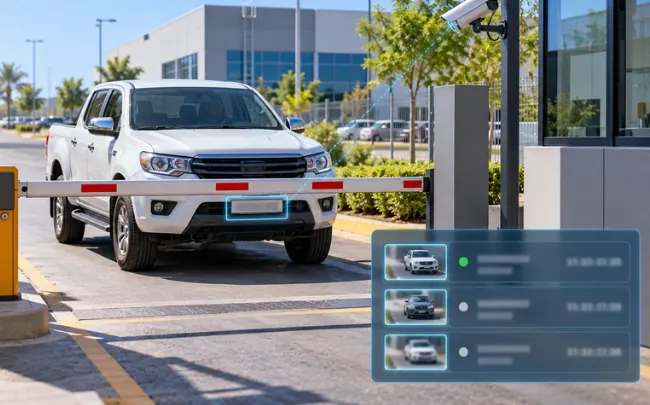
Perimeter activity is the second big source of noise. Automatic number plate recognition logs every vehicle entering or leaving, so nobody checks gates by hand. It can pair with biometric or RFID checks at a barrier for tighter access control. Parking and traffic oversight catches unauthorized parking or speeding inside the site before it becomes a problem. Each of these turns a vague gate alert into a dated log entry with a plate attached.
Where a Timelapse Camera Fits Beside Live Alerts
Timelapse cameras are built for dated, steady records more than live response, but the two jobs overlap. When a dispute or planning question lands, footage sorted by week or milestone can be pulled in about thirty seconds instead of scrolling through thousands of frames. On very large Saudi sites, cameras at several control points feed one dashboard, so a site spanning kilometres reads as a single view, and scheduled PDF reports suit board updates. Anyone searching for the best time lapse camera Saudi Arabia projects rely on, or the best cameras for timelapse in UK weather, tends to land on the same lesson. Footage helps only when someone can find the right frame quickly.
Hardware Details That Decide Alert Quality
Analytics can only work with what the lens delivers. Look for an IP66 rating or higher so rain and dust stay out. Heat is the quieter problem. Many cameras are rated to only 49 to 55°C, while summer air in Saudi Arabia and the UAE often reaches the mid-40s°C, and a unit in direct sun runs hotter than the air around it.
Solar power with a battery suits sites without steady mains, and a built-in 4G or LTE link sending photos to cloud storage saves anyone collecting memory cards. Mount the camera high, outside the work area, with the sun behind it. In the UK, wind-rated mounts and weatherproof housings stop storms from knocking the angle out, which also protects any zone drawn on screen.
Privacy, People, and Human Review
Owners of commercial security solutions carry duties beyond the technology. Facial detection and number plate logs create personal data, so check the rules where you operate, starting with regulator guidance such as the UK Information Commissioner’s Office or SDAIA in Saudi Arabia. Clear signage, limited access to footage, and a set retention period are sensible habits. Keep a trained person in the loop for any alert that could lead to action against someone. Software raises the flag. People decide what it means. No setup removes false alarms completely.
Final Thoughts
Quieter alerts come from three habits: classify what moves, set rules by place and hour, and protect picture quality at the hardware level. A practical first step is listing the five events your team truly needs to hear about at night, then checking whether current alerts catch those without burying them. Which alert did your team last ignore, and what would have made it worth opening? Rawadh publishes further guides on site monitoring for readers who want more detail.
FAQ
What exactly is AI video analytics in security?
Think of it as a camera that can read the scene. The software labels what it sees, such as a person, a vehicle, or a bag left behind, and sends an alert only when that label breaks a rule you set. Plain motion sensors cannot tell those things apart.
Why does my security system keep sending false alerts?
Usually because it reacts to any movement. Shadows, passing vans, and swaying branches all count as activity. Alerts based on object type, zone, and time of day filter most of that out. A few false alerts will still remain, so regular tuning matters.
Can AI cameras tell people from vehicles?
Yes, that is the basic job of the software. It can flag vehicles, people, and missing hard hats on a site. Number plate recognition goes a step further by logging each vehicle at the gate. Accuracy still depends on lighting, camera angle, and a clean lens.
Do I still need someone watching the screens?
You do, just for far less of the day. Software raises the flag, and a trained person decides what it means, especially when an alert could lead to action against someone. Treat the system as a filter for attention, not a replacement for judgment.
Is facial detection or plate logging legal for my business?
Rules differ by country, so check with your local regulator before switching it on. The UK Information Commissioner's Office and Saudi Arabia's SDAIA both publish guidance. Signage, limited footage access, and a fixed retention period are sensible starting habits. A legal adviser can confirm what applies to you.

Leave A Comment