

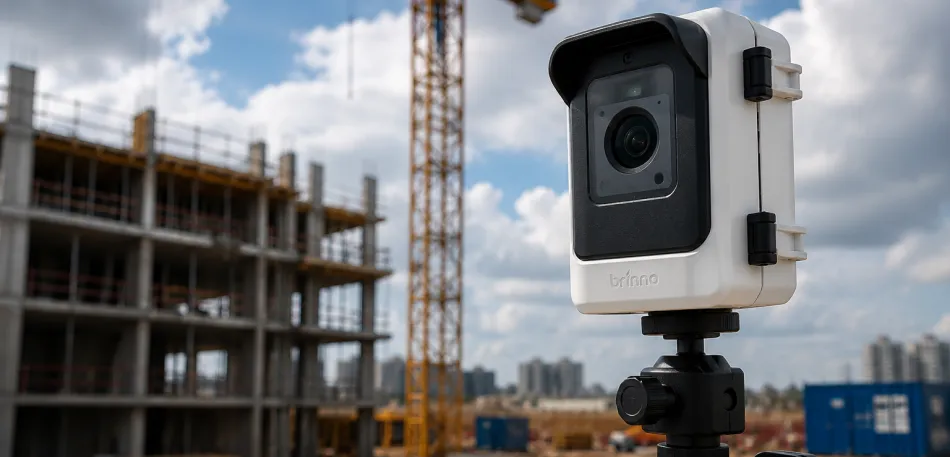
Construction sites are not static. A foundation pour on Monday looks nothing like the steel frame going up three weeks later, and by month six, the entire footprint has changed. Capturing that progression accurately matters, and the best construction timelapse camera does more than take pretty pictures. It creates a visual record that project managers, investors, and contractors can actually use.
The question most project teams face is not whether to document the build. It is the camera setup that holds up across months of outdoor exposure, produces footage sharp enough to be useful, and connects to remote monitoring so no one has to physically be on-site to know what is happening.
What Makes the Best Construction Timelapse Camera?
A construction timelapse camera is a unit configured to capture still images at set intervals, which are then compiled into footage that compresses weeks or months of progress into a viewable sequence. On a construction site, that means everything from groundbreaking to roof installation can be reviewed in minutes. For a construction company managing multiple active sites, this kind of documentation changes how teams communicate progress to stakeholders without scheduling walkthroughs.
The interval timing matters. Shorter intervals produce smoother footage but generate more data. Most construction deployments use captures every 10 to 30 minutes during daylight hours, with some systems running continuous monitoring for security alongside the documentation function.
Resolution, Weatherproofing, and Power Supply
Three factors usually define the best timelapse camera for construction.
Resolution first. Full HD at 1080p captures enough detail for internal progress reviews. For marketing content or investor presentations, 4K output makes a measurable difference. The footage used for a ribbon-cutting video or a client pitch benefits from the additional clarity.
Weatherproofing is non-negotiable on an outdoor build. Saudi Arabia’s summer temperatures regularly exceed 45°C in some regions, and dust exposure is constant. Camera housings rated for those conditions are a different category entirely from standard weather-resistant units. Systems designed specifically for Gulf construction sites are tested under those load conditions rather than European or North American climate assumptions.
Power supply is the third variable. Sites without grid connections during early phases often require solar-powered units. Cellular connectivity removes the need for on-site WiFi infrastructure, which rarely exists on a construction site before the fit-out stage begins.
Remote Monitoring and What It Actually Means
Remote access to timelapse systems means more than checking a live feed. It means a project manager in Riyadh can pull up time-stamped imagery from a site in Abha and verify whether concrete was poured on schedule, whether subcontractors were on site when they reported being there, and whether the crane is positioned where the plans say it should be.
That kind of verification has practical implications for dispute resolution, for insurance documentation, and for contract compliance. Visual evidence with an accurate timestamp is a different category of record than a written daily log.
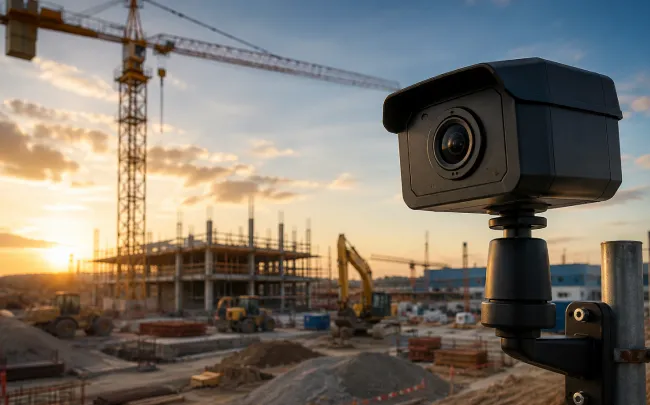
How Do Construction Teams Use the Footage?
The footage a timelapse camera produces has more uses than most project teams anticipate before installation. The obvious one is progress reporting to clients and stakeholders. Less obvious but equally practical: change order documentation, quality control review, and marketing content for the completed project.
Developers bidding for future work benefit from a visual portfolio of completed builds. A two-minute timelapse of a commercial tower going from ground to topped-out structure communicates project management competence in a way a written capabilities document does not.
Rawadh operates across Saudi Arabia, the UAE, and Bahrain, deploying construction timelapse systems on projects ranging from infrastructure builds to mixed-use developments. Their involvement as the official documentation partner for The Point Abha, a development spanning over 75,000 square meters, shows the kind of scale these systems are built to handle.
Final Thoughts
Choosing the right setup depends on the project duration, the site conditions, and how the footage will be used after the build is done. A camera that works for a six-month residential development may not be the right choice for a three-year infrastructure project in an exposed desert location. Talk to a provider who has deployed on similar sites, in similar conditions, before committing to a setup. What documentation approach is your team currently using for long-term builds?
FAQ
What makes a timelapse camera suitable for construction sites specifically?
Construction environments are rough on equipment. Dust, heat, vibration, and months of continuous outdoor exposure rule out most consumer-grade cameras. A construction-grade timelapse unit needs weatherproof housing rated for high temperatures, solar power compatibility for sites without grid access, and cellular connectivity so footage can be retrieved without a site visit. The interval settings also need to be adjustable to match the pace of different project phases.
How long can a timelapse camera run on a construction site without maintenance?
Most systems designed for construction use can run autonomously for months with the right power setup. Solar-powered units with battery backup handle overnight and cloudy periods. The bigger maintenance factor is lens cleaning in dusty environments. Sites in arid regions like Saudi Arabia may need more frequent housing checks than sites in temperate climates, but the core electronics in quality systems are built for long unattended deployment.
Does timelapse footage hold up as legal or contractual documentation?
Time-stamped imagery from a dedicated timelapse system is increasingly used in construction disputes, particularly for verifying when specific work was completed. It does not replace formal site records, but it provides visual corroboration that written logs alone cannot. The key requirement is that the system maintains accurate timestamps and that footage is stored securely with access logs.
Can one camera cover an entire construction site?
Depends heavily on site size and layout. A single camera with a wide-angle lens handles smaller builds well. Larger sites, especially those with multiple active zones, typically need multiple units positioned at strategic angles. Tower cameras positioned at height give better coverage than ground-level units for large footprints. Most providers assess the site geometry before recommending a configuration.
Is timelapse setup complicated on an active construction site?
The installation itself is straightforward on systems designed for field deployment. A cellular-connected, solar-powered unit can be operational within a few hours of arrival on site. The more involved part is positioning the camera correctly at the start of the project, since the angle and height need to capture the full build cycle without being obstructed by scaffolding or cranes as construction progresses.
Leave A Comment